
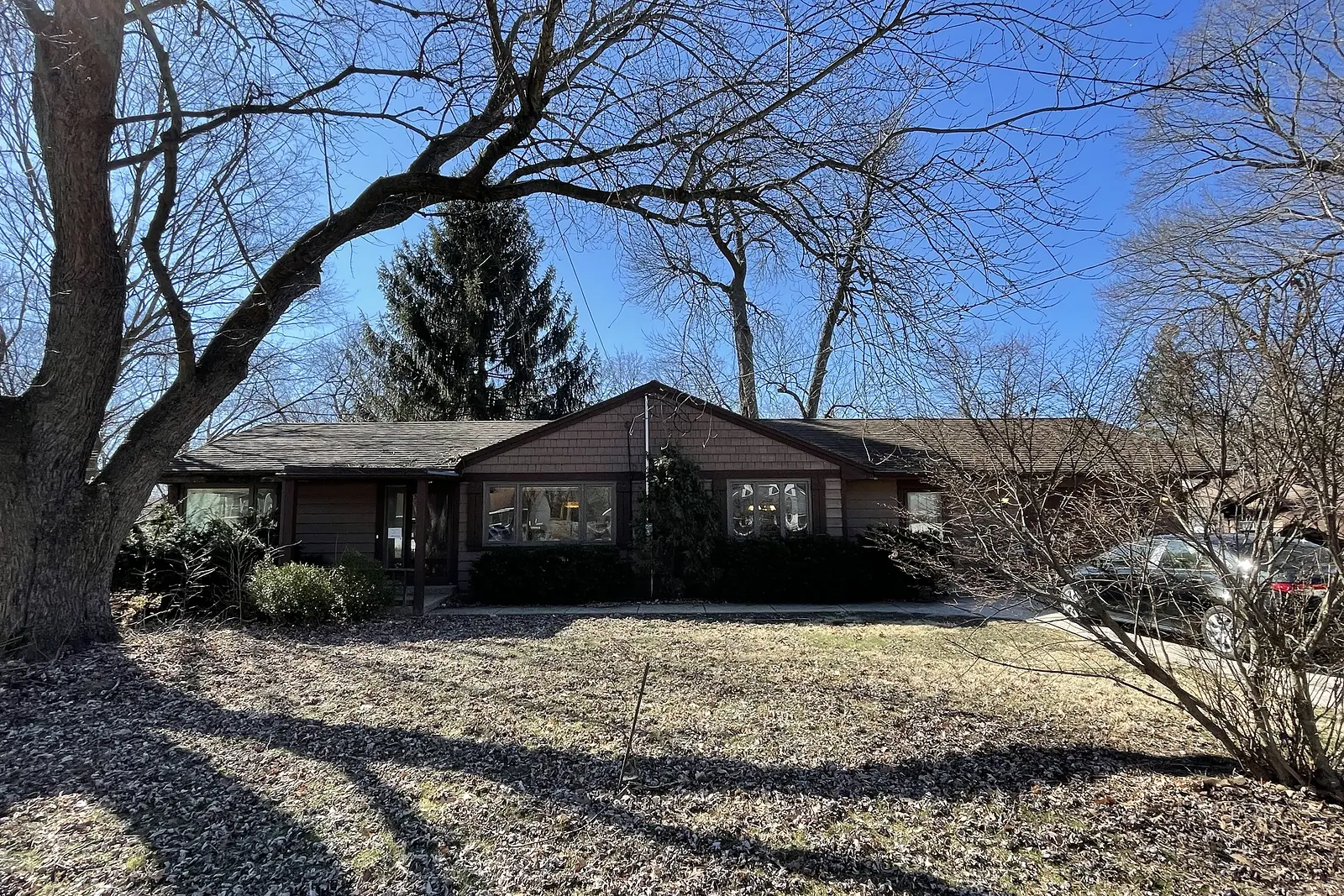
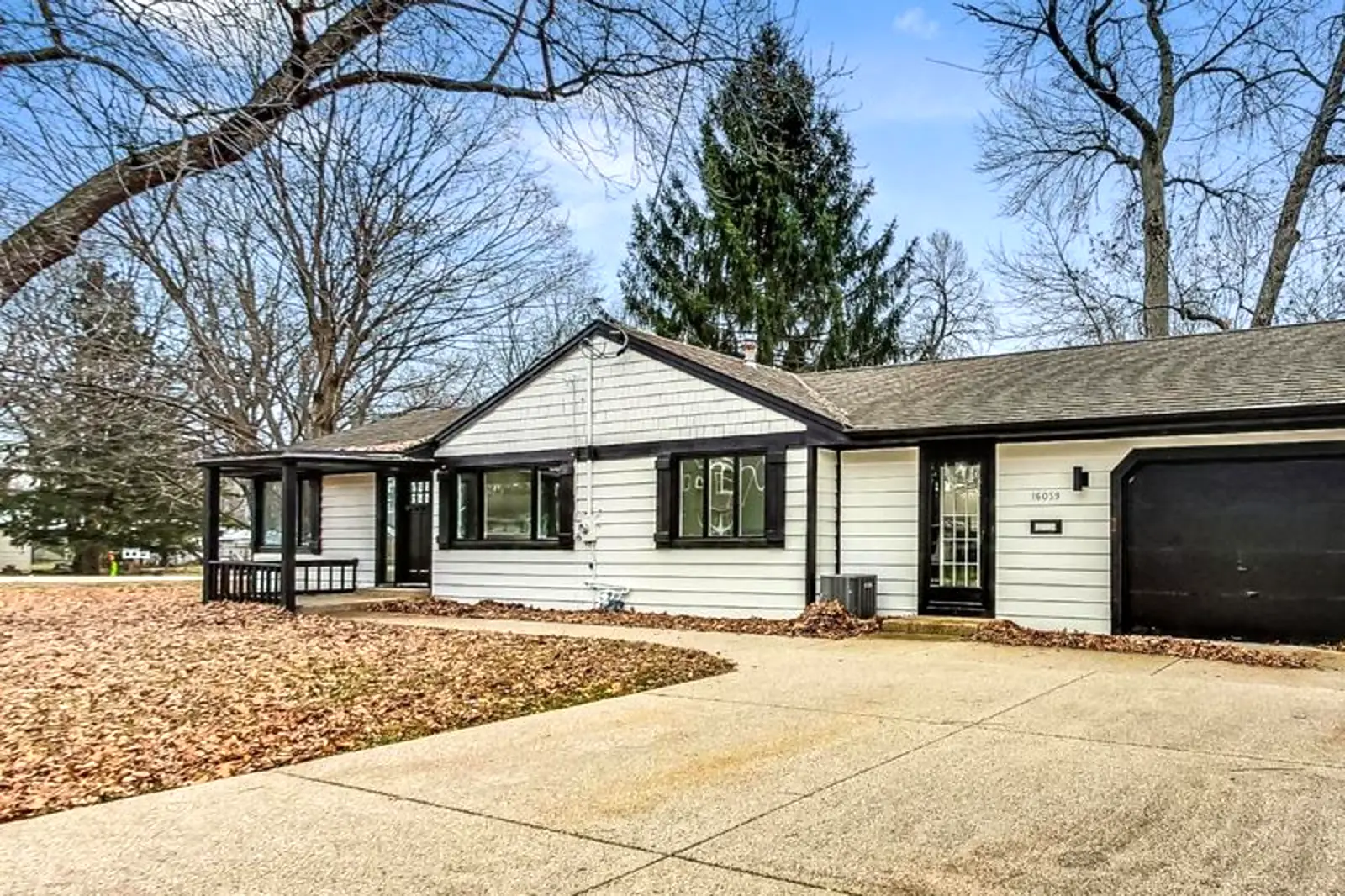
Not every project makes money. Arlington did not. It shows what we do when a problem threatens the capital and changes the original plan.
The obstacle
After the renovation was completed and listed, the listing description incorrectly stated that the HVAC system had been installed in 2023. The records showed that the equipment was older. The accusation was unfounded, but Lake County still required building, engineering and FEMA floodplain review.
The stop work notice led to more documentation, engineering responses, permit coordination and county review before the property could receive final approval.
What we did
We gathered the records, documented the earlier mechanical work, answered the county’s questions, coordinated the permits and stayed with the process through final approval. It added roughly six months to the project.
The outcome
The property sold for $425,000 on May 15, 2024. The extra holding time, engineering, permits, financing and closeout work used the remaining margin. The project did not make money, but it did not lose project capital.
- Recorded purchase price
- $255,000
- Purchase closing costs
- $1,835
- Documented construction costs
- $86,856
- Holding costs
- $19,500
- Permit, engineering, financing and project closeout
- $22,469
- Sale closing costs and buyer credits
- $39,340
- Recorded sale price
- $425,000
- Project result
- $0
- Capital loss
- $0
View the redacted purchase settlement and redacted sale settlement.
Why this project matters
No operator can honestly promise that every project will make money. What matters is how the problem is handled when the original plan no longer works.
At Arlington, the projected profit was gone. The capital was protected, the approvals were completed and the property was sold. That is part of the track record too.
For the broader review framework, see how to evaluate a Chicago real estate operator and the 2nd City Developers diligence process.